Food
Toddler cup transition: bottle, straw, or open cup
Updated
Around the first birthday, many families start trading long bottle feeds for drinks at the table. There is no single “right” cup. What matters more is a calm, seated routine: small amounts, mostly milk and water, and drinks that do not linger through naps or overnight. Straw cups, open cups, and cups with lids can all be practice tools. You can move at your child’s pace, keep mealtimes unhurried, and treat teeth as part of the same daily picture.
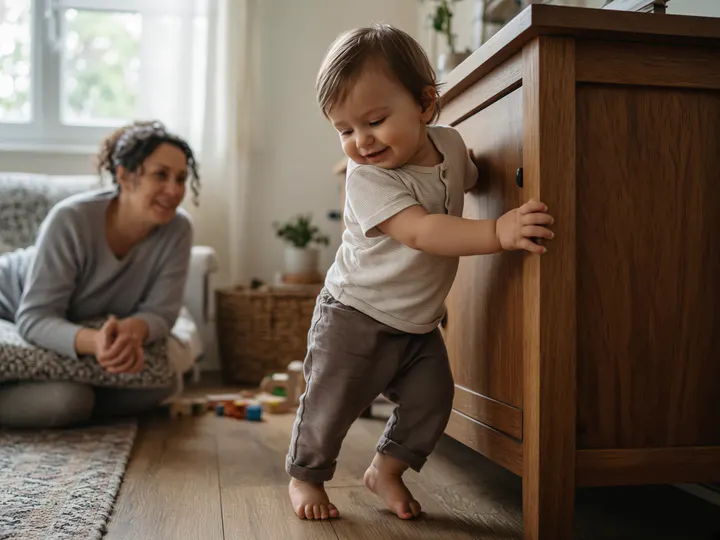
Practice cups at the table, in small amounts, while your toddler is seated.
The American Academy of Pediatrics (AAP), through HealthyChildren.org, describes offering a cup when complementary foods begin—often around 6 months—and weaning from the bottle by 12 to 18 months. The American Academy of Pediatric Dentistry (AAPD) ties frequent bottle and sippy-cup drinks that sit on the teeth, especially at bedtime, to early cavities. The Centers for Disease Control and Prevention (CDC) encourages helping children drink from a cup in the second year and keeping water and plain milk as the everyday drinks. Those shared points are enough to plan from. You do not need a perfect cup, a strict calendar, or a branded product.
Start where your toddler already is
If your child still uses a bottle, keep that familiar feed while you add cup practice at meals. If they already take sips from a straw or an open rim, keep going and slowly shift more of the day’s milk and water into those moments. A mixed week is normal. Some children accept a cup for water first and keep milk in a bottle a little longer. Others do the reverse. Either path can work if drinks stay seated and the overall pattern is moving toward the table.
Offer the cup when your toddler is already sitting for food—breakfast, lunch, dinner, or a snack. Stay nearby. Pour a small amount. Let them hold the cup, tip it, miss, try again. Wipe the table and continue. Short, repeated practice teaches more than a long session with a full cup.
A gradual sequence you can repeat
Use this as a flexible order, not a test.
- Keep bottles for now if they are still in the mix. Do not drop every bottle overnight unless that already feels easy. Change one feed at a time.
- Add a cup at one seated meal. Water is a low-pressure first drink for many toddlers. Milk in a cup can come next at the same meal.
- Move the easiest bottle feed to a cup. Daytime meals are often simpler than the last bottle before sleep.
- Shorten remaining bottle feeds. Same milk, smaller volume, then the same drink in a cup at the table.
- Fade bottles that travel or fill empty time. Offer the cup with food instead of a bottle in the stroller, on the couch, or as a stalling tool.
- Save the bedtime bottle for last. Replace it with a cup of water or milk before teeth are cleaned and your child is in bed, then a comfort routine that is not a bottle.
If a step stalls, stay on it for several days. Going backward for a stretch is still progress if mealtimes stay seated and calm.
Seated, small amounts
Cups belong with sitting. Place your toddler in a high chair, booster, or lap at a table. Pour only a little—enough for a few sips. Refill if they want more. Small amounts keep spills manageable and keep the drink from becoming an hour-long sip.
Pause if they stand, walk, or lie back with the cup. Return the cup when they sit again. This is a habit, not a punishment. It also keeps drinks tied to meals and snacks instead of all-day grazing.
Expect mess. A bib, a towel on the tray, and a short end-of-meal wipe are enough. You can place a second empty cup nearby if they like to experiment, and keep the drink in the one you refill.
Milk, water, sweet drinks, and bedtime
After the first birthday, plain milk and water do most of the work. For how much milk, what kind, and how it fits with food, see Milk after the first birthday. Offer milk with meals or snacks in a cup when you can. Offer water with food and between meals.
The CDC notes that water and plain milk are the everyday drinks in this age range, and that drinks with added sugars are not a needed part of the diet for children younger than 2 years. The AAP advises against juice before 12 months and, after that, only small amounts if juice is offered at all—with meals, not in a bottle or as an all-day sip. Sweet drinks (juice, flavored milks, soda, and similar) do not need to be part of cup practice. If they appear at a gathering, keep them occasional, seated, and brief.
Bedtime is the setting that most often undoes a careful day. Milk, formula, juice, or other sweet drinks left in the mouth as a child falls asleep bathe teeth for hours. AAPD guidance is clear: children should not go to sleep with a bottle, and frequent exposure to sugar-containing drinks in bottles or sippy cups raises the risk of early childhood caries. A cup of milk can still belong in the evening—at the table, before toothbrushing. After teeth are cleaned, water is the drink that can sit by the bed if your child wakes thirsty.
If a bottle still helps your toddler settle, move that feed earlier: lights on, sitting up, then books, songs, or cuddling without a bottle in the crib or bed. Night wakings that still seem to need a bottle can shift toward water in a cup, then toward comfort without a drink. That change is often slow. It is still worth making because overnight pooling on the teeth is a dental issue, not only a sleep issue.
Cup features, without a shopping list
Any simple cup your toddler can handle at the table can be a practice cup. Open cups, straw cups, and lidded cups are all used in real homes. Features are optional tools, not requirements.
You might look at:
- Size and weight. A small cup is easier to lift. A little weight can make it less tippy; too much weight can be hard to hold.
- Handles or a slim body. Some toddlers like two hands on handles. Others wrap both hands around a straight cup.
- Rim or straw they can reach. A thin open rim lets them sip like you do. A straw lets them drink with less tipping. Neither is mandatory.
- Lid versus open. A lid can cut spills during early practice. An open cup shows cause and effect clearly. Many families use both at different meals.
- Simple parts. Cups you can take apart and wash fully are easier to keep clean. Extra valves and gadgets are optional.
- Clear sides (optional). Seeing the liquid can help some toddlers aim. It is not essential.
Skip anything marketed as a must-have milestone product. If a cup frustrates your child, try another style later. The skill is drinking while seated, not mastering a specific lid.
Bottles can stay in the rotation during the transition. What you are fading is the pattern of lying down, walking, or grazing for long stretches with milk or sweet drinks on the teeth.
What “done” can look like
By the time many toddlers are in the 12-to-18-month window the AAP describes for leaving the bottle, a realistic picture is: most milk and water at the table, in a cup they will actually use; bottles rare or gone; no bottle or sippy cup of milk or juice in bed; teeth brushed after the last milk of the day. Straw versus open cup does not have to be settled. Some children prefer one for months. Variety at meals is enough.
If grandparents, child care, or a second home still offer bottles, share the seated, small-amount plan rather than a brand name. Consistency across places helps more than identical cups.
When drinking or teeth feel hard to sort out
Most messy, slow cup practice is ordinary. Check in with a clinician when the pattern is not ordinary, or when you cannot tell.
Check in with your pediatrician if your toddler is not moving toward a cup over many weeks, refuses most drinks except a bottle, is not eating or drinking in a way that matches what you have been told to expect at visits, has pain with swallowing, or if you are unsure how milk, water, and food fit together. Bring what you are seeing: when they drink, from what, and what happens at bedtime.
Check in with a pediatric dentist if you see white, brown, or yellow changes on the teeth; if drinks (including milk) still happen as your child falls asleep; if sweet drinks are frequent; or if you have not yet had an early dental visit. AAPD recommends a first dental visit by the first birthday, and earlier if you already have concerns. A pediatrician can also help you find dental care.
Do not wait for a perfect cup skill before you ask. Feeding trouble, limited drinks, and tooth changes are reasons to call, not puzzles to solve only at home.
For more on everyday drinks in this age range, start with Milk after the first birthday and the Food and oral health pillar.
Check in if
If drinking, feeding, or tooth concerns feel hard to sort out, check in with your pediatrician or a pediatric dentist.
Related ages: 12-18 months, 18-24 months. Pillars: Food.
Sources
- American Academy of Pediatrics, HealthyChildren.org. Weaning from the Bottle and related cup-drinking guidance: offer a cup as complementary foods begin (often around 6 months); wean from the bottle by 12 to 18 months; avoid sending a child to bed with a bottle of milk, formula, or juice.
- American Academy of Pediatrics. Fruit juice guidance: no juice for infants under 12 months; if juice is offered after 12 months, keep amounts small and serve with meals rather than in a bottle or as an all-day drink.
- American Academy of Pediatric Dentistry. Policies on early childhood caries and infant oral health: no bottle in bed; frequent or prolonged bottle and sippy-cup use with milk, formula, or sugar-containing drinks is linked to early cavities; first dental visit by age 1.
- Centers for Disease Control and Prevention. Help children drink from a cup in the second year; everyday drinks for young children are water and plain milk; drinks with added sugars are not recommended for children younger than 2 years; do not put a child to bed with a bottle.